A Guide to Gulf Dates: Varieties, Uses and Cultural Significance
Discover the many varieties of dates grown across the Gulf, how to choose and store them, and the important role they play in daily life and hospitality.
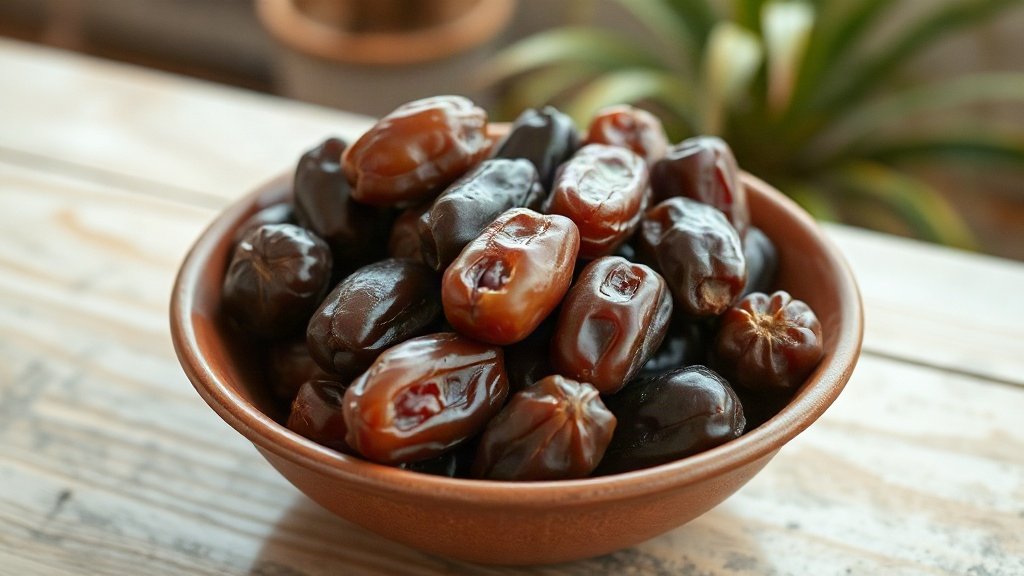
Illustration: AI-generated image
Dates are far more than a sweet snack in the Gulf – they are a cornerstone of the region's culture and cuisine. Thriving in the arid climate, the date palm has been cultivated here for thousands of years, and its fruit appears on nearly every table, from breakfast to festive feasts. Whether eaten fresh, dried, or transformed into syrup, dates are a symbol of hospitality, generosity, and tradition.
A Fruit with Deep Roots
The Gulf's hot, dry conditions are ideal for date palms, which have been grown in the region since ancient times. Over centuries, farmers have developed hundreds of varieties, each with its own texture, sweetness, and best use. Today, the Gulf countries are among the world's leading producers of dates, and the fruit remains a daily staple for many families.
Popular Varieties Across the Gulf
From soft and caramel-like to dry and chewy, the range of Gulf dates is remarkable. Here are a few well-known varieties you are likely to encounter:
- Khalas – A favourite from Saudi Arabia, known for its smooth texture and rich, caramel-like sweetness. Often enjoyed with Arabic coffee.
- Sukkari – True to its name (from the Arabic word for sugar), this variety is exceptionally sweet and soft, almost melting in the mouth.
- Medjool – Large, moist, and luxurious, Medjool dates are prized for their size and rich flavour. While originally from Morocco, they are now widely grown in the Gulf.
- Ajwa – A dark, soft date from Medina with deep cultural and religious significance. It is often given as a special gift.
- Barhi – Small and round, these dates are delicious when eaten fresh and yellow, with a crisp, apple-like texture, or left to ripen into a soft, brown fruit.
- Khudri – A common dark brown, semi-dry date that is widely available and often used in cooking or as an everyday snack.
From Snack to Staple: Culinary Uses
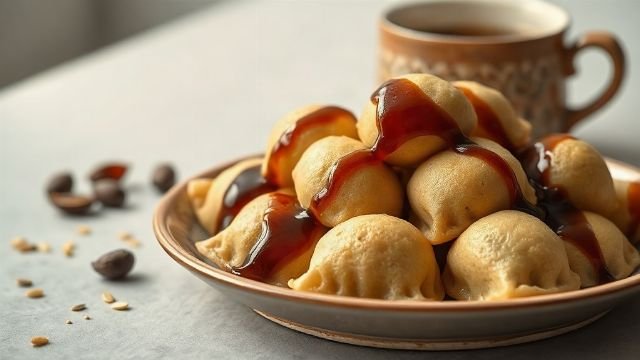
In the Gulf, dates are enjoyed in many ways. The simplest is to eat them fresh or dried, often alongside a cup of Arabic coffee (gahwa) as a traditional welcome. They are also a key ingredient in the kitchen: chopped and added to desserts, stuffed with nuts or citrus peel, blended into smoothies, or simmered into a thick syrup known as dibs, which is drizzled over sweets and breakfast dishes. Dates also provide natural sweetness to many traditional recipes, reducing the need for refined sugar.
Choosing and Storing Dates
When buying dates, look for plump fruit with glossy, unbroken skin. Avoid any that appear overly dry, sticky, or have crystallised sugar on the surface. Store dates in an airtight container in a cool, dry place; they will keep for several weeks. For longer storage, refrigerate them for up to six months or freeze them for up to a year. If dates become too firm, simply leave them at room temperature for a few hours to soften.
A Symbol of Hospitality and Tradition
Offering dates to guests is a deeply ingrained custom in Gulf societies. They are often the first thing served to visitors, sometimes with a small cup of coffee, as a gesture of welcome. During the holy month of Ramadan, dates are traditionally eaten to break the fast at sunset, following the example of the Prophet Muhammad. They also feature prominently in weddings, religious celebrations, and family gatherings, symbolising abundance and goodwill.
Whether you are new to Gulf cuisine or a long-time resident, exploring the many varieties of dates is a delicious way to connect with the region's heritage. Next time you are at the market, try a few different kinds and discover your own favourite.