Zubaidi: A Guide to the Gulf's Prized Silver Pomfret
Known as the king of Gulf fish, zubaidi is prized for its delicate white flesh and versatile flavour. Here is what makes it special and how it is traditionally prepared.
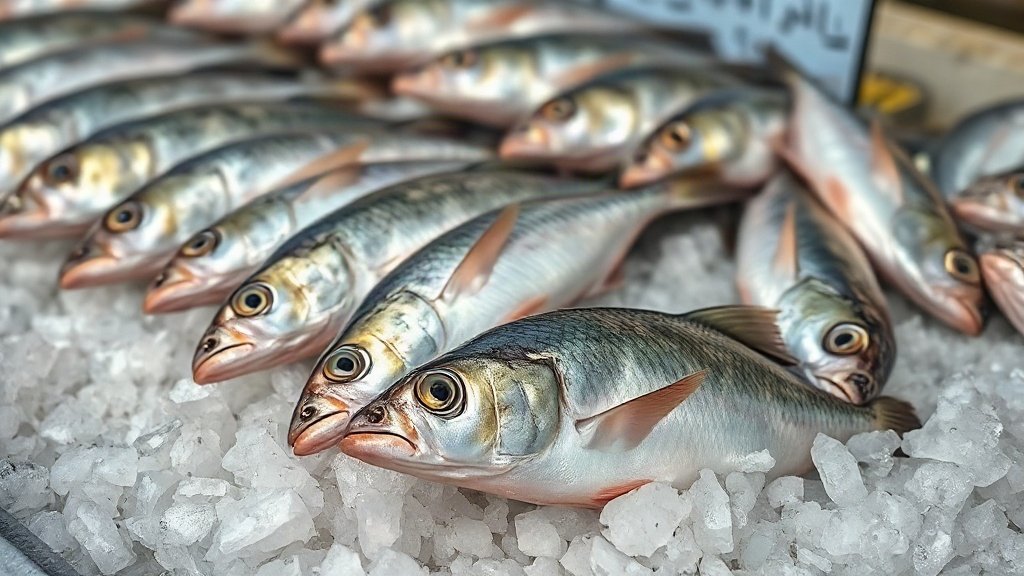
Illustration: AI-generated image
Walk through any traditional fish market in the Gulf and you will notice one fish that consistently commands attention: zubaidi. With its distinctive silver, diamond-shaped body, this member of the pomfret family is often called the king of Gulf fish. Its delicate white flesh, mild sweet taste and versatility have made it a staple on family tables from Kuwait to Oman for generations.
What is zubaidi?
Zubaidi is the local Arabic name for the silver pomfret, a marine fish found in the warm waters of the Arabian Gulf and the Arabian Sea. Unlike many reef fish, zubaidi has a single bone structure that runs down its centre, which makes it easy to eat. The flesh is firm yet tender, with a subtle flavour that absorbs spices and marinades beautifully without losing its own character.
Why it is so valued
Gulf cooks prize zubaidi for its culinary flexibility. It can be grilled whole, fried, baked in the oven, or added to rich tomato and tamarind stews. Because the fish is naturally oily, it stays moist during high-heat cooking, developing a crisp skin while the inside remains succulent. Nutritionally, zubaidi provides high-quality protein, omega-3 fatty acids and essential minerals, making it a wholesome choice for regular meals.
How it is traditionally cooked
One of the most beloved preparations is zubaidi mashwi – grilled whole over charcoal. The fish is typically marinated with a mix of turmeric, dried lime powder, garlic and a little olive oil, then grilled until the skin blisters and the flesh flakes easily. It is served on a platter with fragrant rice, fresh lemon and sometimes a side of daqqus, the Gulf's fiery tomato salsa.
Another classic is zubaidi magli, where the fish is lightly scored, dusted with spiced flour and shallow-fried until golden. This version is especially popular during Ramadan for iftar, as it is quick to prepare and pairs well with rice and salad. In coastal households, zubaidi is also simmered in a saffron-scented broth with onions and dried limes, creating a comforting fish stew known as marqat zubaidi.
Choosing and storing
When buying fresh zubaidi, look for clear, bright eyes, shiny skin and a clean sea smell. The gills should be red or pink, not brown. Whole fish can be stored in the refrigerator for up to two days if kept on ice, or frozen for several months. If you are new to cooking zubaidi, start with a simple grill or fry – its forgiving texture makes it hard to overcook, and even a minimalist seasoning with salt, pepper and a squeeze of citrus yields excellent results.
Whether you encounter it at a bustling souq or on a restaurant menu, zubaidi offers a true taste of the Gulf's maritime heritage. Its enduring popularity is a testament to both its flavour and its role in the region's shared culinary identity.