The Rebab: A Guide to the Gulf's Traditional String Instrument
Discover the rebab, a bowed string instrument that has accompanied Bedouin poetry and folk songs across the Arabian Peninsula for centuries.
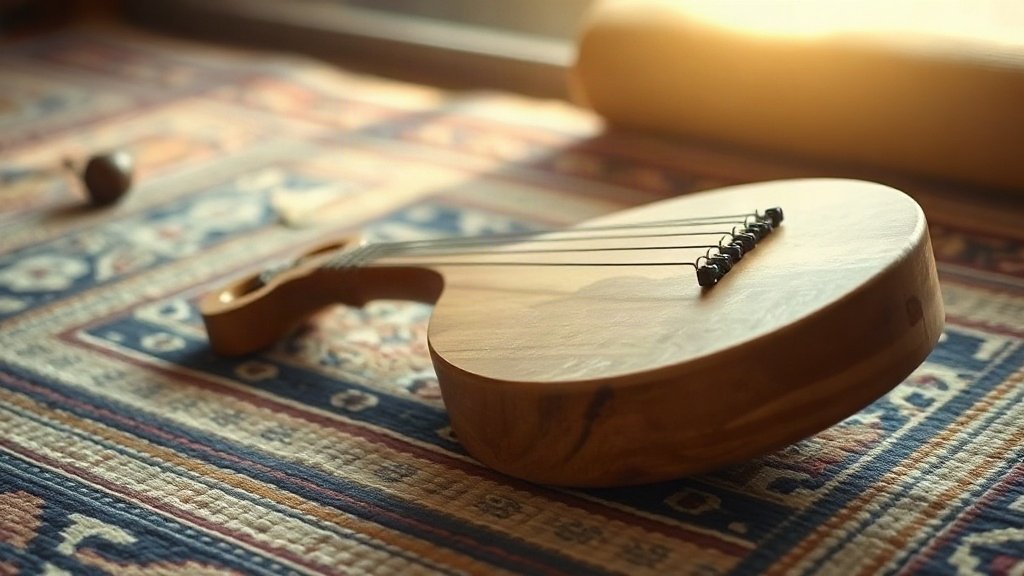
Illustration: AI-generated image
The rebab is a traditional bowed string instrument that has been played across the Arabian Peninsula for centuries. Often described as a simple fiddle, it holds a special place in Gulf heritage, particularly in Bedouin culture, where it has long accompanied poetry recitation, storytelling, and folk songs.
What is a rebab?
The rebab typically has a small, rounded body made from a gourd, coconut shell, or carved wood, covered with a stretched animal skin. It has a long neck and one or two strings, traditionally made from horsehair or gut. The bow is also strung with horsehair. Unlike the Western violin, the rebab is held upright on the lap or against the knee, and the player presses the strings with the fingers of one hand while bowing with the other.
A history rooted in travel and poetry
The rebab is one of the oldest known bowed instruments, with ancestors traced back to Central Asia and the Middle East. It spread along trade routes and became a favourite among nomadic Bedouin tribes, who valued its light weight and portability. In the Gulf, it was often played by poets and singers to accompany nabati poetry—the vernacular verse of the desert—as well as traditional epics and love songs.
How the rebab is played
The rebab produces a warm, resonant tone that carries well in quiet desert settings. Players traditionally use a technique of sliding between notes, creating a vocal quality that mirrors the inflections of Arabic speech and singing. The instrument is usually played solo or in small ensembles, and its melodies often follow the rhythmic patterns of the poetry it accompanies.
The rebab in modern Gulf culture
While the rebab is less common in urban centres today, it remains a symbol of Bedouin heritage. It is featured in cultural festivals, heritage villages, and museum collections across the Gulf states. Traditional music ensembles sometimes include it to evoke an authentic desert atmosphere, and it continues to be taught in a few dedicated cultural centres.
Where to experience the rebab
Visitors to the Gulf can encounter the rebab at national heritage events, such as the Janadriyah Festival in Saudi Arabia or the Sheikh Zayed Heritage Festival in the UAE. Museums, including the Qatar National Museum and the Dubai Museum, display historical examples. Occasionally, live performances are part of desert safari experiences or cultural evenings, offering a glimpse into the music that once echoed across the dunes.