The Misbaha: A Guide to the Gulf's Traditional Prayer Beads
Discover the history, materials and etiquette of the misbaha, the string of prayer beads carried by many in the Gulf for reflection and tradition.
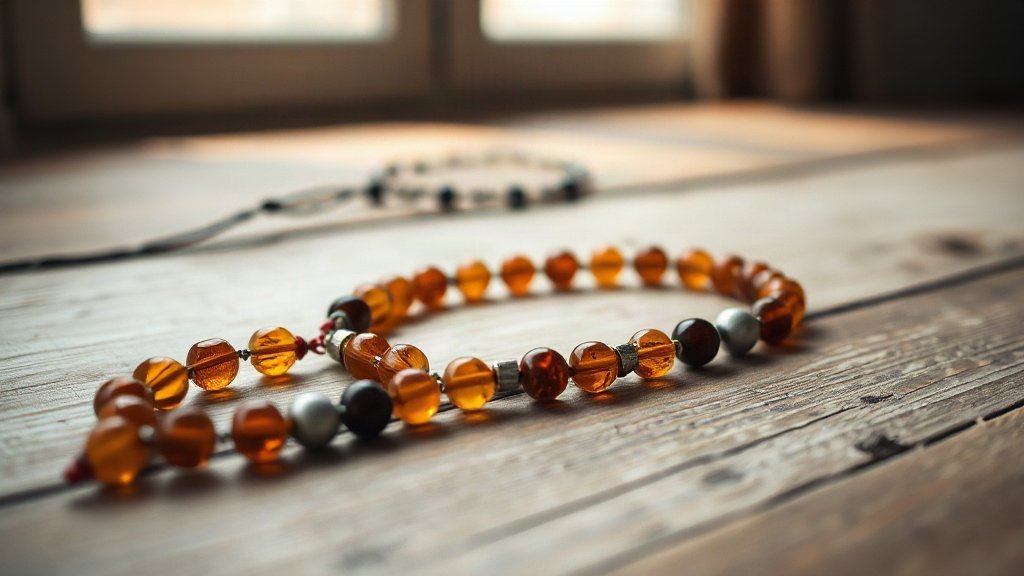
Illustration: AI-generated image
Walk through any majlis in the Gulf and you will see them resting on knees or slipping through fingers: strings of prayer beads known as the misbaha. More than a religious tool, the misbaha is a cultural emblem, a quiet companion to conversation, and a link to centuries of tradition.
A history of remembrance
The misbaha, also called tasbih or subha across the Arab world, has roots in Islamic practice. Its name comes from the Arabic word sabaha, meaning “to glorify”, and it is traditionally used to count repetitions of dhikr – phrases of remembrance such as “SubhanAllah”, “Alhamdulillah” and “Allahu Akbar”. Over time, it evolved from a purely devotional object into a widespread cultural accessory, especially among men in Gulf societies, where it symbolises patience, reflection and social ease.
Historically, the misbaha arrived in the Gulf through trade and pilgrimage routes, becoming deeply embedded in local life. Bedouin and coastal communities alike adopted it, and it remains a fixture in homes, offices and gatherings.
Materials and craftsmanship
In the Gulf, the misbaha is often a work of art. Traditional beads are carved from natural materials that reflect the region’s environment and heritage:
- Pearls and mother-of-pearl – echoing the Gulf’s pearling past, these beads are prized for their lustre and rarity.
- Coral and amber – once sourced from regional seas and trade routes, amber in particular is valued for its warm glow and supposed calming properties.
- Date seeds and olive wood – humble, everyday materials that speak to simplicity and connection to the land.
- Silver and gemstones – often used for decorative dividers or tassels, adding a touch of elegance for special occasions.
Skilled artisans shape and polish each bead, threading them onto silk or cotton cords and finishing with a tassel. Handmade misbahas, especially those with rare materials, are treasured as heirlooms and gifts.
Etiquette and everyday use
Using a misbaha is unhurried and meditative. The standard string has 33, 66 or 99 beads, corresponding to the number of repetitions in common dhikr cycles. Users pass each bead between thumb and forefinger, reciting a phrase per bead. The tassel marks the start and end of a cycle.
Beyond prayer, the misbaha serves as a calming object. Many in the Gulf find that rolling the beads eases tension during long conversations or moments of thought. It is also a social prop: offering one’s misbaha to a guest can be a gesture of hospitality, and admiring someone’s beads often opens friendly exchange.
There is a quiet etiquette. The misbaha should be handled respectfully – not swung or tossed – and never placed on the floor. When not in use, it is often kept in a pocket or draped over the wrist. For many, it is not merely jewellery but a personal item imbued with spiritual meaning.
A living tradition
Today, the misbaha remains ubiquitous across the Gulf. You will see it in government offices, coffee shops and family homes. It is a common gift for Eid, weddings and newborns, and modern designers are reinterpreting it with contemporary materials while keeping its essence. Whether used for prayer, mindfulness or simply as a familiar weight in the hand, the misbaha endures as a symbol of Gulf identity and continuity.