The Gulf Thobe: A Guide to the Traditional Men's Garment
Discover the history, styles, and etiquette of the thobe, the iconic ankle-length robe worn by men across the Arabian Gulf.
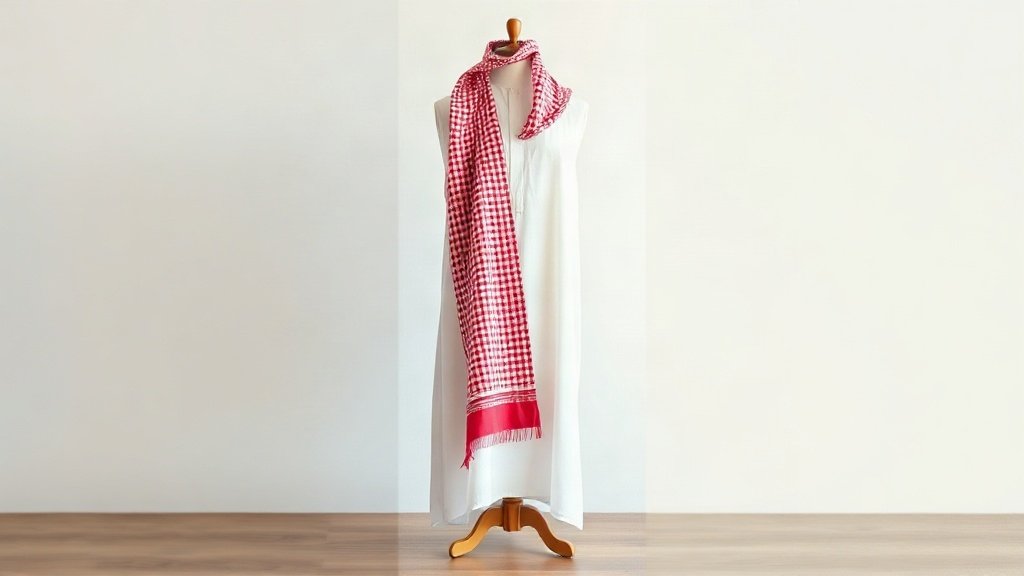
Illustration: AI-generated image
The thobe is the most recognisable item of men's clothing in the Arabian Gulf. This long-sleeved, ankle-length robe is worn daily by local men in Saudi Arabia, the UAE, Qatar, Kuwait, Bahrain, and Oman. More than just a garment, the thobe is a symbol of cultural identity, modesty, and pride.
History and significance
Designed for the region's hot, arid climate, the thobe's loose fit allows air to circulate while its light colour reflects sunlight. Traditionally made from cotton or wool, it provided comfort for Bedouin communities and city dwellers alike. Today, it remains the national dress for men across the Gulf, worn at work, at official events, and during religious occasions.
Styles and variations
While the basic shape is consistent, regional differences exist. In Saudi Arabia, the thobe often has a stiff, pointed collar and cufflinks; in the UAE, the kandura (as it is locally known) frequently features a tassel called a tarboosh hanging from the neckline. Winter thobes are made from heavier fabrics and may be beige, grey, blue, or brown. The length is usually just above the ankle, and cuffs may be plain or buttoned.
Headwear and accessories
The thobe is typically paired with a ghutra, a square headscarf that is either plain white or red-and-white checked, held in place by the agal, a black cord. In Oman, men often wear a kuma, an embroidered cap, instead. Sandals or formal leather shoes complete the look.
How to wear it
A thobe should be clean, well-ironed, and worn over an undershirt or wizar (a light wrap). The fit should be comfortable but not baggy. For formal occasions, a bisht, a flowing outer cloak, may be added over the thobe. When travelling abroad, some Gulf men choose Western clothing, but within the region, the thobe is the standard attire for most public settings.
Etiquette and care
Wearing a thobe signals respect for local customs. Visitors are not expected to wear one, but doing so is generally appreciated as a sign of cultural interest. For care, most thobes are machine washable but require careful ironing; many households use professional laundry services to keep them crisp.