The Date Palm: The Gulf's Tree of Life
From shade in the oasis to the sweet heart of hospitality, the date palm has shaped Gulf culture for centuries. Discover its traditions, uses and enduring role.

Illustration: AI-generated image
Walk through any Gulf oasis, and the date palm stands tall — a symbol of resilience, generosity and heritage. For thousands of years, this remarkable tree has provided food, shelter and materials for daily life across the Arabian Peninsula. Today, it remains at the heart of Gulf culture, from the dates served with Arabic coffee to the woven palm fronds used in traditional crafts.
A Tree of Many Gifts
The date palm is often called the 'tree of life' because every part of it can be used. The trunk provides timber for building; the fronds are woven into baskets, mats and roofing; the leaf bases make ropes and fuel; and the fruit itself is a nutritious staple. In the past, Bedouin communities relied on the palm for survival in the harsh desert environment, and its presence marked the location of water and settlement.
Cultural Significance
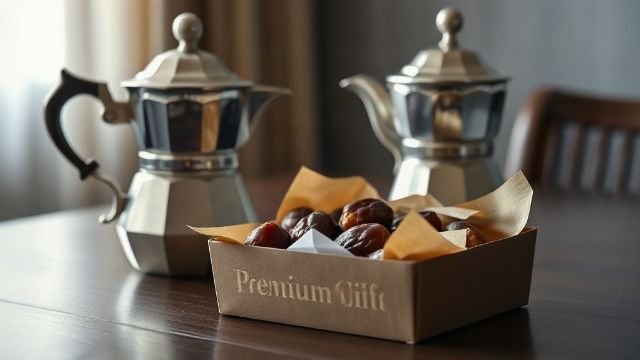
Beyond its practical uses, the date palm holds deep cultural meaning. In Islamic tradition, dates are mentioned in the Quran and are associated with hospitality and blessing. Breaking the fast with a date during Ramadan is a practice followed by Muslims worldwide, reflecting the fruit's role as a symbol of sustenance. In Gulf heritage, offering dates and Arabic coffee to guests is a gesture of welcome that has been practised for centuries.
Traditional Uses and Crafts
The craft of palm weaving, known locally as khous, transforms dried fronds into functional and decorative items. Artisans create colourful baskets, food covers, fans and floor mats, often dyeing the strips with natural pigments. These crafts are part of the region's intangible heritage and are still taught in cultural centres and festivals. The trunk's wood was historically used to make boats, doors and furniture, while the leaf stalks were fashioned into crates and simple tools.
Date Varieties
The Gulf is home to hundreds of date varieties, each with its own texture, colour and sweetness. Some are best eaten fresh, like the soft, golden khalas; others are dried and used in cooking or stored for months. The sukkari variety is prized for its melt-in-the-mouth quality, while medjool dates are larger and often reserved for special occasions. In local markets, the arrival of the new date harvest in late summer is a celebrated event, with vendors displaying pyramids of glistening fruit.
Celebrations and Rituals
Dates feature prominently in Gulf celebrations and rituals. During the hag al-leil, a traditional children's custom on the 15th night of Sha'ban, children go door to door singing and are rewarded with sweets and dates. At weddings, dates are often included in gift baskets as a symbol of sweetness and fertility. During Eid, families serve dates alongside other delicacies to mark the end of fasting. The date harvest itself is a time of community gathering, with families coming together to climb the palms and collect the heavy clusters.
Dates Today
While modern supermarkets offer packaged dates year-round, many Gulf families still prefer to buy directly from farms or local markets. Date syrup, or dibs, is a traditional sweetener used in dishes like aseeda and drizzled over pancakes. Date seeds are roasted and ground as a coffee substitute in some households. As awareness of traditional food grows, date-based products such as date chocolate, date energy balls and date vinegar are becoming popular, blending heritage with modern tastes.
Whether eaten at the end of a long fast, gifted to a neighbour, or woven into the fabric of a basket, the date palm continues to connect Gulf communities to their land and their past. It is more than a tree — it is a living tradition that still shapes the rhythm of daily life.