The Dallah: A Guide to the Gulf's Iconic Coffee Pot
Discover the history, design and cultural role of the dallah, the traditional Arabic coffee pot that symbolises hospitality across the Gulf.
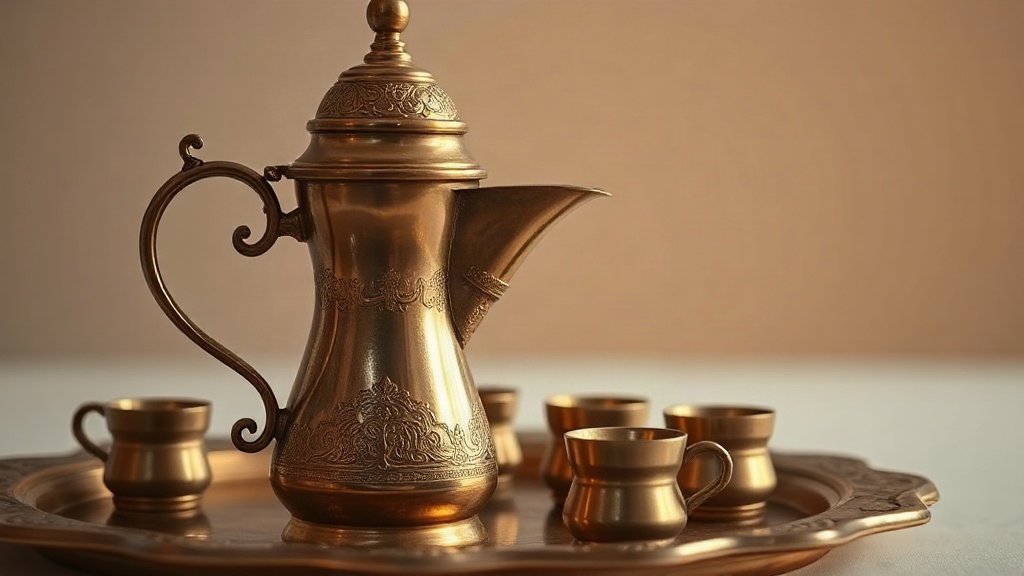
Illustration: AI-generated image
The dallah is one of the most recognisable symbols of the Gulf. This elegant, long-spouted coffee pot has been serving Arabic coffee, or gahwa, for centuries, and its image appears everywhere from coins and stamps to hotel lobbies and family crests. More than just a kitchen utensil, the dallah embodies the region's deep-rooted traditions of hospitality, community and artistry.
A History Steeped in Tradition
The origins of the dallah can be traced back several hundred years, with influences from Persia, Turkey and the Arabian Peninsula. As coffee spread across the Islamic world from the 15th century onwards, distinct regional pots developed. The Gulf dallah, with its distinctive curved spout and domed lid, became particularly associated with the Bedouin and coastal communities of Arabia, where serving gahwa to guests was—and remains—a sacred duty.
Design and Craftsmanship
Traditional dallahs are typically made of brass, copper or silver, and their design is both functional and decorative. Key features include:
- The body: Often bulbous at the base and tapering towards the neck, allowing the coffee grounds to settle.
- The spout: Long, elegantly curved, and shaped like a crescent or a bird's beak, which helps pour the coffee gently without disturbing the grounds.
- The lid: Usually domed and topped with a small finial, sometimes shaped like a mosque dome or a pine cone.
- The handle: Often made of wood or bone, attached to the side opposite the spout for safe pouring.
Many dallahs are embellished with intricate engravings, geometric patterns or calligraphy. Craftsmanship varied by region and era, with some old dallahs considered valuable antiques today.
Regional Variations
While the basic form is consistent, dallahs differ across the Gulf and wider Arab world. In Saudi Arabia, the dallah is often taller and more slender, while in the UAE and Oman, you may find broader, more rounded bodies. The Omani dallah, known locally as dallah or gamra, can be particularly ornate, sometimes made of silver with elaborate filigree work. The number of dallahs a household owns can reflect its social standing, and they are often displayed proudly in the majlis.
Cultural Significance and Etiquette
The dallah is inseparable from the ritual of Arabic coffee. In a typical Gulf home, the host prepares gahwa by simmering lightly roasted coffee with cardamom and sometimes saffron. The coffee is poured from the dallah into small handleless cups called finjan. The host continues to serve until the guest shakes the cup gently to indicate they have had enough.
Etiquette dictates that the dallah should be held in the left hand while pouring with the right, and the cup is filled only a quarter or a third full. The dallah itself is often passed from hand to hand during formal gatherings, and its presence signals a warm welcome. In many Gulf countries, the dallah is depicted on currency, official emblems and public art, underscoring its national significance.
The Dallah Today
Modern kitchens may use electric coffee makers, but the dallah remains a cherished cultural icon. It is still used for traditional gahwa in homes, government offices and at weddings, funerals and Eid celebrations. Artisans continue to produce new dallahs, blending traditional designs with contemporary aesthetics, while antique dallahs are sought by collectors.
Visitors to the Gulf will encounter the dallah everywhere—in souks, museums and even as decorative motifs on buildings. Understanding its role offers a deeper appreciation of the region's unwavering commitment to hospitality, a value that has shaped Gulf society for generations.