Sulaimani: A Guide to the Gulf's Light Lemon-Mint Tea
Sulaimani is a simple, fragrant black tea brightened with lemon and mint that has become a beloved part of Gulf hospitality and everyday life.
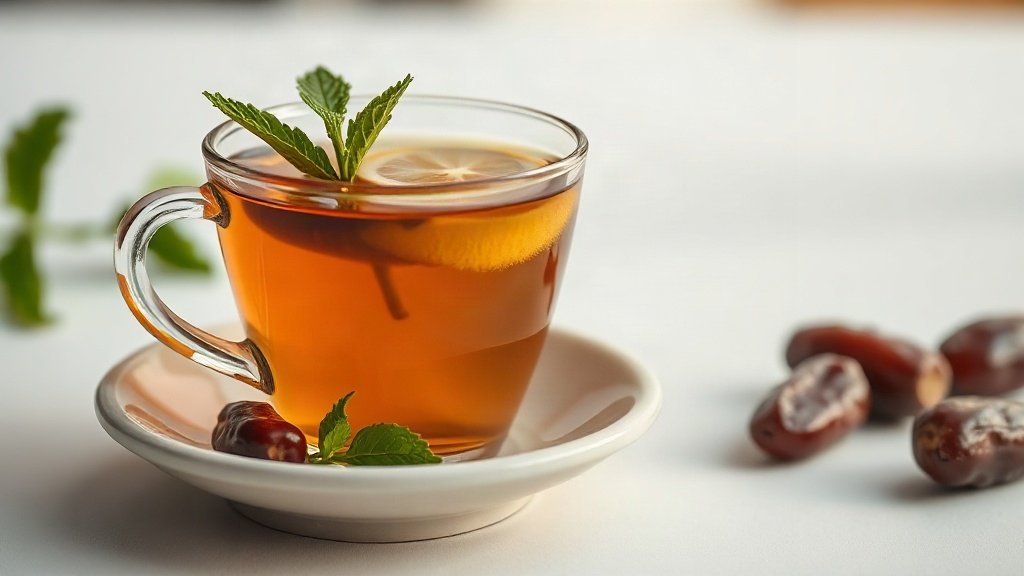
Illustration: AI-generated image
Sulaimani is a delicate black tea infused with lemon and mint, known for its light amber colour and clean, refreshing taste. Unlike the milky, spiced karak chai, sulaimani is served without milk and often with little or no sugar. Its gentle flavour makes it a soothing end to a meal and a welcoming gesture for guests across the Gulf.
What is Sulaimani?
Sulaimani is made by steeping black tea leaves in hot water and then adding fresh mint leaves and a slice or squeeze of lemon. Some cooks add a pinch of sugar or a cardamom pod, but the classic version is intentionally simple. The tea is poured through a strainer into small glass cups, often without handles, and served hot.
Where Does the Name Come From?
The name “sulaimani” is thought to be linked to the Arabic word for peace or well‑being, reflecting the tea’s calming effect. It is popular throughout the Arabian Peninsula and in parts of South Asia, but in the Gulf it has become a staple of home cooking and casual cafés.
How Sulaimani is Served
Sulaimani is typically offered after a heavy meal, as its light, slightly acidic taste helps cleanse the palate. It is also served during social gatherings, business meetings, and after evening prayers. Unlike Arabic coffee (gahwa), which follows a strict ceremonial order, sulaimani is served more casually, often alongside dates or small sweets.
Making Sulaimani at Home
Brewing sulaimani is straightforward. Start with a pot of boiling water and add good‑quality black tea leaves. Reduce the heat and simmer for a few minutes. Turn off the heat, add fresh mint leaves and a wedge of lemon, and let the tea steep for a few more minutes. Strain into a teapot and serve in small glasses. Sugar is optional; many prefer it unsweetened to appreciate the mint and lemon.
Variations Across the Region
Some households add a cinnamon stick or a few cloves for warmth. In Oman, sulaimani is sometimes made with dried lime (loomi) instead of fresh lemon, giving it a deeper, slightly smoky note. In the UAE and Saudi Arabia, it is common to serve sulaimani with a side of fresh mint leaves so guests can add more to taste.
Why It Matters
Sulaimani embodies a philosophy of mindful hospitality: simple ingredients, carefully prepared, and served with generosity. For visitors to the Gulf, trying sulaimani offers a quiet insight into local customs and the region’s enduring love for tea as a social glue.