Jebel Shams: A Practical Guide to Oman's Grand Canyon
Towering above the Al Hajar mountains, Jebel Shams offers breathtaking canyon views, scenic walks and cool high-altitude air. Here's how to plan your visit to Oman's highest peak.
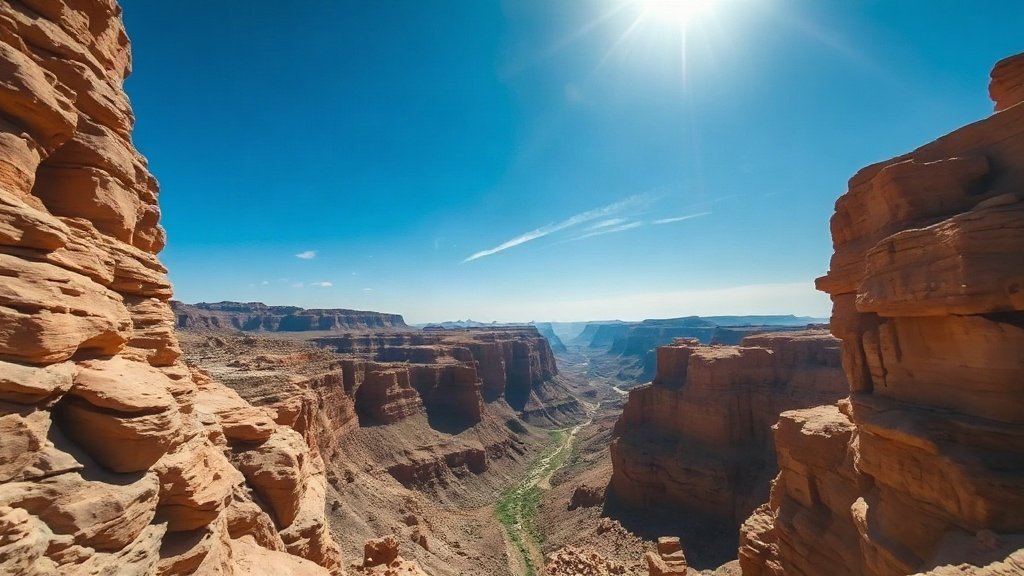
Illustration: AI-generated image
Rising to around 3,000 metres above sea level, Jebel Shams is the highest peak in Oman and the centrepiece of the Al Hajar mountain range. Its dramatic western face plunges into Wadi Nakhr, a vast canyon often called the 'Grand Canyon of Arabia'. For travellers seeking breathtaking views, cool mountain air and a taste of Oman's wild highlands, this is an unforgettable destination.
Getting there
Jebel Shams lies about 240 km southwest of Muscat, near the town of Al Hamra. The most common approach is by car: follow the main road from Muscat to Nizwa, then continue towards Al Hamra and up the mountain. The final stretch is a well-maintained gravel road that most standard cars can manage, though a 4WD offers more comfort and confidence, especially after rain. There is no public transport to the summit, so hiring a car or joining a guided tour is essential. The drive from Muscat takes roughly three to four hours depending on traffic and stops.
The Balcony Walk
The most famous hike on Jebel Shams is the Balcony Walk, a relatively easy trail that follows the rim of Wadi Nakhr. The path starts near the village of Al Khitaym and winds along a natural ledge, offering spectacular views down into the canyon. The full walk to the abandoned village of As Sab and back takes about three to four hours. It is well marked and suitable for most fit walkers, but those with a fear of heights should take care: the drop is sheer in places. Along the way, you will pass ancient terraced fields and stone dwellings that hint at the area's long history.
Other trails and viewpoints
For a more challenging adventure, experienced hikers can tackle the descent into Wadi Nakhr and the route through the canyon, but this requires good navigation skills and proper equipment. The summit itself, often called Jebel Shams Peak, is a separate high point accessible by a rough track, with a military installation near the top, so the true summit is off-limits. However, several marked viewpoints, such as the one at the end of the paved road, offer panoramic vistas at sunrise and sunset.
Weather and what to bring
Temperatures on Jebel Shams are significantly cooler than in Muscat or the desert lowlands. In summer, daytime highs rarely exceed 30°C, while winter nights can drop below freezing, and snow occasionally dusts the peaks. The best time to visit is between October and April, when the air is crisp and clear. Always bring layers, a windproof jacket, sturdy walking shoes, sun protection, and plenty of water. There are no cafes or shops on the mountain, so pack snacks and a picnic.
Where to stay
Most visitors stay in the nearby town of Al Hamra or the village of Misfat Al Abriyeen, which is itself a scenic destination. Camping on Jebel Shams is popular and allowed, with several flat areas near the rim offering unforgettable starlit nights. If you camp, bring all necessary equipment and take all rubbish with you. A few simple guesthouses and campsites exist in the area, but advance booking is wise during cooler months.
Jebel Shams rewards those willing to make the journey with one of the most awe-inspiring landscapes in the Arabian Peninsula. Whether you come for a day trip or stay to watch the sunset and sunrise, this mountain is a highlight of any Oman itinerary.