Independent voters and candidates: what to know for US midterms
Nearly half of US adults now identify as politically independent, but most still lean towards one of the major parties. Here is what that means for Tuesday's midterm elections.
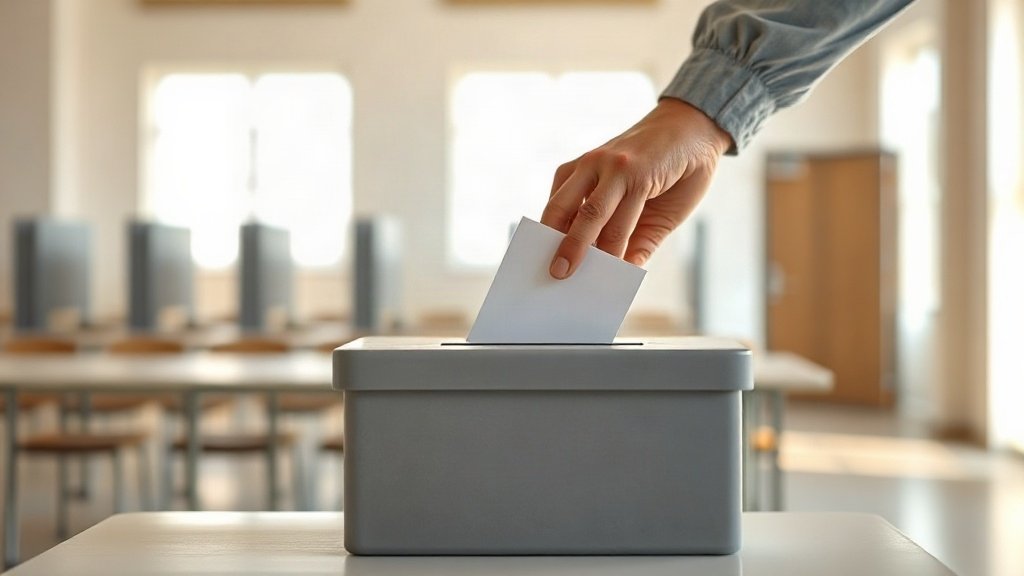
Illustration: AI-generated image
As voters across the United States prepare for Tuesday's midterm elections, a record share of the electorate identifies as politically independent — yet that does not mean independent candidates are poised for sweeping wins. According to analysis by Al Jazeera, nearly half of US adults, about 44 percent, now call themselves independent, compared with 29 percent Democrat and 28 percent Republican. But most of these independents still lean towards one of the two major parties; only about 7 to 10 percent are true swing voters with no partisan leaning.
Polling by Marist suggests that 52 percent of likely independent voters support Democrats, while 39 percent back Republicans. Many independents say they are voting for change, reflecting broader frustration with the political status quo.
Despite the large number of independent voters, independent and third-party candidates rarely win seats in Congress or state legislatures. Political scientists point to the winner-take-all electoral system and single-member districts, which make it hard for outsiders to concentrate support. Voters also worry about backing a 'spoiler' who could split the vote.
Money plays a role too. Federal election spending keeps climbing, with 2026 midterm political advertising alone projected to reach up to $11.6 billion. The two major parties raise hundreds of millions of dollars, while independent candidates typically raise very little and are less well known. The US offers virtually no public funding for parties and no limits on campaign spending, putting independents at a further disadvantage.
Still, some observers say 2026 is shaping up to be one of the strongest cycles for independent candidates in recent memory. Whether that translates into actual wins will become clearer after Tuesday's votes are counted.