How to Store Food Properly in the Gulf Heat: A Practical Guide
High temperatures and humidity in the Gulf can quickly spoil food. These simple storage habits help you reduce waste, keep ingredients fresh and make the most of your kitchen.
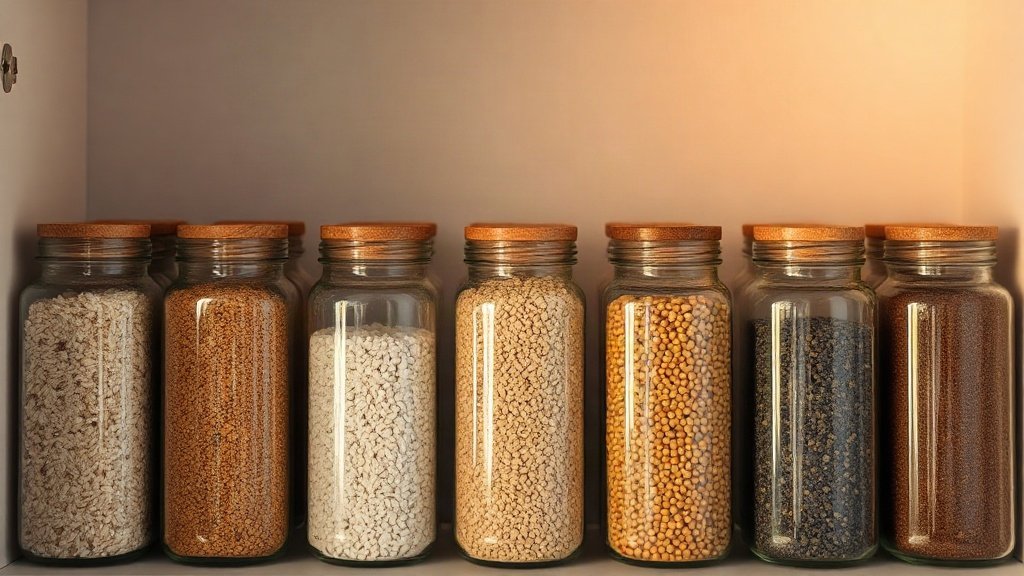
Illustration: AI-generated image
Living in the Gulf means dealing with high temperatures and humidity for much of the year, and that can take a toll on your food. Even in air-conditioned homes, certain ingredients spoil faster than in cooler climates. With a few simple adjustments to how you store food, you can keep your kitchen fresher for longer, cut down on waste and save money on groceries.
Understand your kitchen climate
Most Gulf homes are cooled, but humidity levels can still rise, especially in kitchens where cooking adds moisture. Heat and moisture are the main enemies of dry goods, spices and even fresh produce. The first step is to identify the coolest, driest spots in your kitchen: away from the oven, dishwasher and direct sunlight. A cupboard or drawer near the floor is often cooler than one above the hob.
Store dry goods in airtight containers
Flour, rice, pasta, grains and legumes are pantry staples in the Gulf, but they are very attractive to pests like flour beetles and weevils, which thrive in warm, humid conditions. Transfer opened packets into glass or sturdy plastic containers with tight-fitting lids. Not only does this keep pests out, it also prevents moisture from causing clumping or mould. Label containers with the purchase date so you use older items first.
Keep spices away from heat and light
Spices lose their flavour and colour quickly when exposed to heat, light and humidity. Avoid storing them in cabinets directly above the stove or in clear glass jars on open shelves. Choose dark, airtight containers and keep them in a cool drawer or cupboard. Whole spices last longer than ground ones, so consider buying whole and grinding small batches as needed.
Rethink your fridge layout
Fridges in the Gulf work hard, so proper air circulation matters. Don't overpack shelves; leave space for cold air to move. Store raw meat and fish on the lowest shelf in sealed containers to prevent drips onto other foods. Dairy and eggs should go on middle shelves, not in the door, where temperatures fluctuate every time you open it. The door is best for condiments and drinks that are less perishable.
Use the crisper drawer wisely
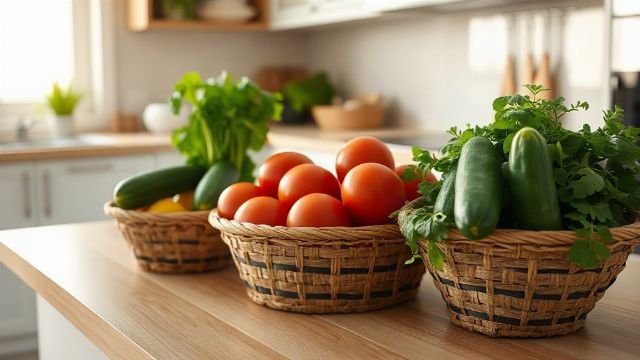
Most fruit and vegetables last longest in the crisper drawer, where humidity is higher than the rest of the fridge. But not all produce likes the same conditions. Leafy greens and herbs do well in slightly moist conditions; wrap them in a clean, damp cloth or paper towel inside a perforated bag. Root vegetables like potatoes and onions should stay out of the fridge in a cool, dark, dry place, but keep them separate from each other to prevent sprouting. In very humid months, check stored vegetables frequently for soft spots and remove any that start to spoil.
Freeze smartly for the Gulf heat
A well-organised freezer is your best friend. Portion meat, bread and cooked meals into flat, labelled bags so they freeze quickly and stack neatly. Quick freezing preserves texture and reduces the risk of freezer burn. When defrosting, always do so in the fridge, not on the counter, because room temperature in the Gulf can rise quickly and allow bacteria to multiply.
Deal with humidity in the pantry
Even with air conditioning, some pantry items can absorb moisture. Add a food-safe desiccant pack or a small bowl of uncooked rice (wrapped in muslin) inside storage containers for items like biscuits, crackers or dried fruit. Check them regularly and replace if moist. Avoid storing opened tins in the fridge; transfer contents to a glass or plastic container to prevent metallic taste and potential corrosion.
Make a weekly check part of your routine
Set aside ten minutes each week to go through your fridge, freezer and pantry. Wipe down shelves, discard anything past its prime, and rotate older items to the front. This simple habit prevents forgotten leftovers from turning into science experiments and helps you plan meals around what needs using first. In the Gulf's climate, a little vigilance goes a long way in keeping your kitchen safe and efficient.