How to Pack a Car Boot for a Desert Day Trip in the Gulf
A calm, practical checklist for families and newcomers heading into the dunes or open desert, from water and shade to tyre basics and respectful picnic habits.

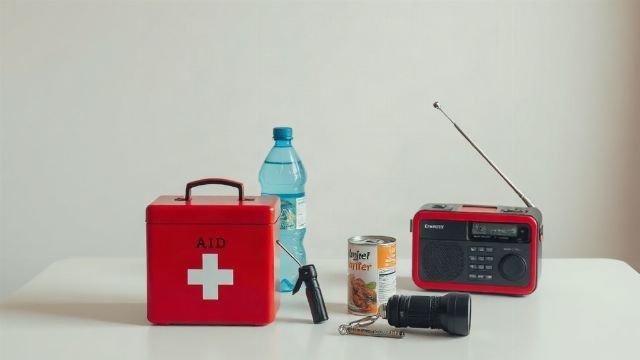
Illustration: AI-generated image
A day in the desert is one of the great pleasures of living in the Gulf. The quiet, the wide horizon and the colours at sunset are hard to match. A little preparation makes the difference between a relaxed outing and a stressful one.
Here is a simple way to think about what goes into the boot, whether you are heading to the edge of the dunes or somewhere more remote.
Start with water and shade
Water is the first thing to pack, and it is better to bring too much than too little. Carry more than you expect to drink, including some for the car and for children, who can tire quickly in dry heat.
- Large bottles of drinking water, kept in a shaded part of the boot
- A pop-up shade, tarp or large sheet with poles or ropes
- Hats, sunglasses and high-factor sun cream
- Light, loose clothing that covers the arms and legs
Basic car and recovery kit
Even a short trip off the tarmac can go wrong if the ground is soft. Check the car before you leave, especially tyres, fuel and the spare.
- A spare tyre in good condition, plus a jack and wheel brace
- A tyre pressure gauge and a portable compressor
- A shovel and a tow rope or strap
- Traction boards if you plan to drive on sand
- A phone charger for the car and a power bank
Many drivers lower tyre pressure for soft sand and reinflate afterwards. If you are new to this, learn from an experienced friend or an accredited local instructor before going alone.
Food, comfort and cleanliness
Keep the menu simple. Fruit, dates, sandwiches, nuts and a flask of tea or coffee travel well. A cool box keeps perishable items safe, and wet wipes and hand sanitiser are always useful.
- Rugs or mats to sit on, as sand can be hot or cool depending on the hour
- A small first-aid kit with plasters, antiseptic and rehydration salts
- Rubbish bags for everything you bring, including food waste
- A torch or head torch if you may stay past sunset
Plan your route and your timing
Tell someone where you are going and when you expect to be back. Mobile signal can disappear quickly, so download an offline map before leaving. Travelling in a group of two or more vehicles is wiser for remote areas.
The cooler months are the most comfortable time for a desert outing, and early morning or late afternoon light is gentler than midday. Even in winter, the temperature can drop sharply after dark, so bring a jumper or jacket.
Leave no trace and respect the land
Desert landscapes are fragile. Stay on existing tracks where possible, avoid driving over vegetation and take all your rubbish home. Be mindful of wildlife and of livestock or farmland, which may belong to local families. Keep music at a considerate level, and follow any local rules about camping, fires and protected areas.
Finally, check the weather before you set off. Wind can reduce visibility, and rare heavy rain can turn dry valleys into hazards. If conditions look doubtful, it is always fine to postpone.
With the right kit and a relaxed plan, a desert day trip becomes an easy habit that families can enjoy again and again.