How to Handle Sandstorms in the Gulf: A Practical Guide
Sandstorms are a fact of life in the Gulf. Learn how to protect your home, health and car before, during and after the dust settles.
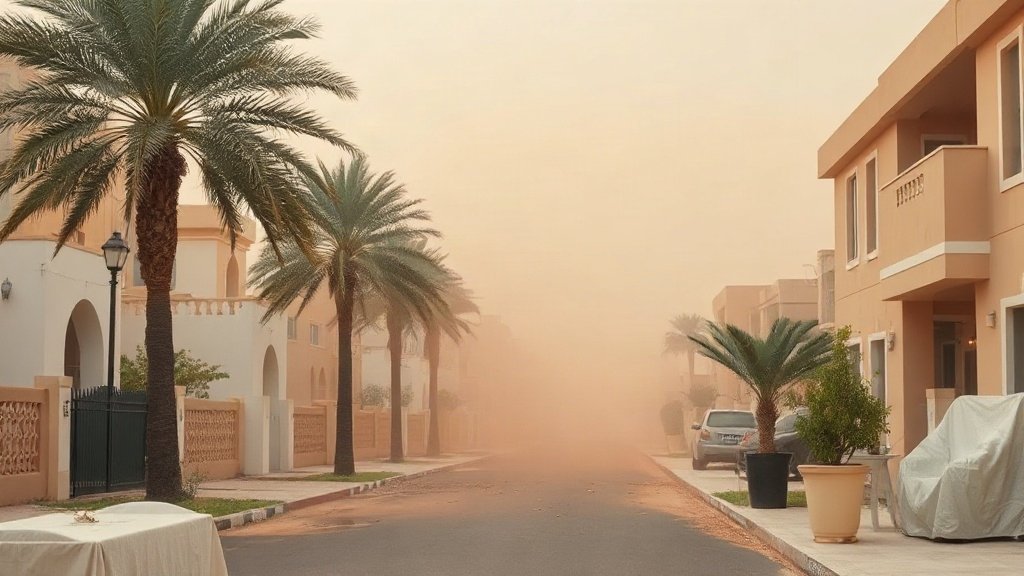
Illustration: AI-generated image
If you live in the Gulf, you will soon become familiar with sandstorms. These dramatic weather events roll in with little warning, turning the sky orange and coating everything in fine dust. While they are a normal part of desert life, a little preparation goes a long way. Here is how to protect your home, your health and your car when the shamal winds blow.
What is a sandstorm?
A sandstorm, or dust storm, occurs when strong winds lift large amounts of sand and dust from the desert into the air. In the Gulf, these storms are often driven by the shamal, a north-westerly wind that can last for days. They are most common during the transitional seasons of spring and early summer, but they can happen at any time of year. The dust can travel hundreds of kilometres and affect air quality even when the storm itself is not directly overhead.
Before the storm: prepare your home
Keep an eye on weather forecasts during dusty months. When a storm is approaching, take these steps:
- Close all windows and doors tightly. Check for gaps where dust can seep in, and use draft stoppers or rolled towels if needed.
- Bring outdoor furniture inside or cover it. Dust can scratch surfaces and get into cushions.
- Cover electronics and small appliances with cloths or plastic sheets if you expect a heavy storm.
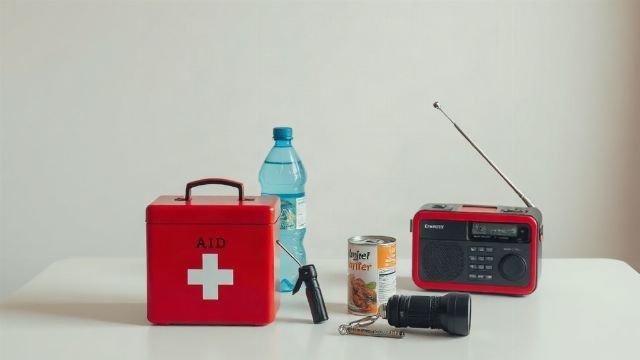
- Stock up on essentials like face masks, saline nasal spray and eye drops. If you have a breathing condition, make sure your medication is easily accessible.
During the storm: stay safe and comfortable
The safest place to be during a sandstorm is indoors. Keep windows and doors shut, and avoid using exhaust fans that pull outside air in. If you have an air purifier, run it on a high setting to help filter indoor air. For extra comfort in very dusty conditions, place damp towels along window sills and door thresholds to catch fine particles.
If you must go outside, wear a properly fitted N95 or similar mask, and consider protective glasses or wraparound sunglasses. Driving is best avoided, as visibility can drop to near zero in minutes. If you are caught on the road, pull over safely, turn off your lights (so other drivers do not follow you) and wait for the worst to pass.
After the storm: clean up and car care
Once the dust settles, open windows to air out your home and wipe down all surfaces with a damp cloth. Vacuum carpets and upholstery thoroughly, and launder curtains or cushion covers that have collected dust. Do not forget to clean air conditioner filters, as they will be clogged with fine particles. Most homes in the Gulf have washable filters that can be rinsed and dried.
Your car will also need attention. Sand can scratch paint and clog air filters. Start by rinsing the body with water to remove dust before using a sponge, to avoid micro-scratches. Check the engine air filter and cabin filter, and replace them if they are heavily soiled. It is also wise to have your windshield wipers checked, as sand can degrade the rubber.
With a little foresight and routine care, living with Gulf sandstorms becomes just another part of desert life — one you can handle calmly and confidently.