How to Choose and Serve Dates the Gulf Way: A Practical Guide
Dates are a cornerstone of Gulf hospitality and everyday life. Learn about popular varieties, how to select the best ones, and the traditional ways to serve and enjoy them.
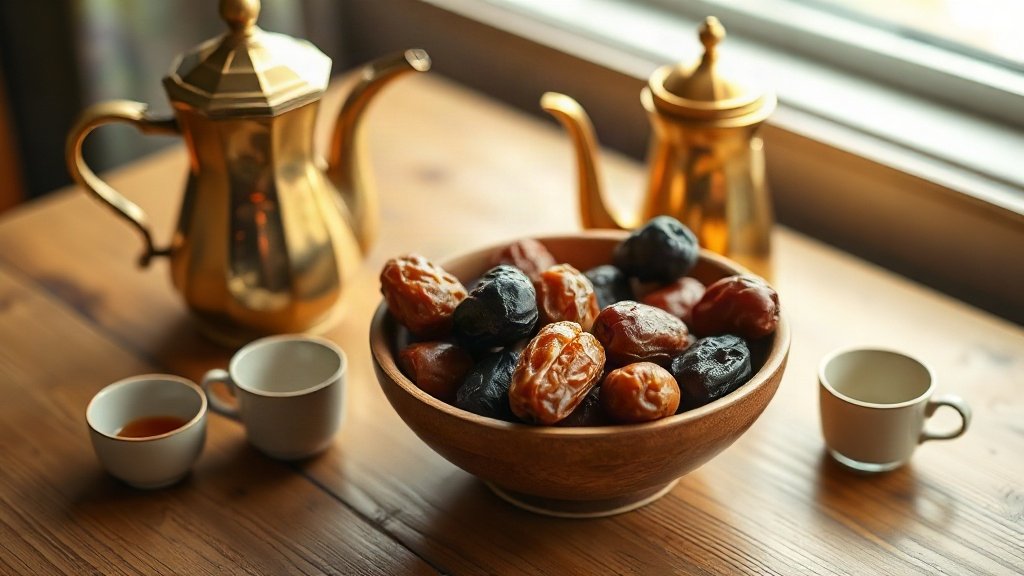
Illustration: AI-generated image
Dates have been a staple of Gulf life for centuries, symbolising generosity and welcome. Whether you are new to the region or simply curious, learning how to choose and serve dates the traditional way can deepen your appreciation of local customs.
Popular varieties in the Gulf
Many types of dates are enjoyed across the Gulf, each with a distinct texture and sweetness. Khalas is perhaps the most beloved in the UAE and Saudi Arabia; it is soft, caramel-like and not overly sweet. Medjool dates, originally from Morocco, are larger and often reserved for special occasions due to their rich, honeyed flavour. Sukkari from Saudi Arabia is exceptionally soft and sweet, sometimes called ‘the queen of dates’. Barhi dates are small, round and often eaten fresh when yellow and crunchy before fully ripening. Fard and Lulu are other common varieties with firm flesh and mild sweetness.
How to select good dates
When buying dates, look for plump, glossy fruit with unbroken skin. Avoid dates that are shrivelled, crystallised with sugar on the surface or have an off smell. For soft varieties, a slight tackiness is normal, but they should never feel wet or sticky. Fresh dates have a smooth texture and a bright colour, while dried dates are darker and chewier. In the Gulf, dates are often sold in bulk at markets or pre-packaged in supermarkets; always check the harvest date if available.
Traditional ways to serve dates
Dates are served at nearly every Gulf gathering, from casual visits to formal events. The most common pairing is with Arabic coffee (gahwa), which is lightly roasted and infused with cardamom. The bitterness of the coffee complements the sweetness of the dates. To serve, arrange a small number of dates on a plate or bowl, usually three to five per person, and offer the coffee in small handleless cups. Dates are also stuffed with nuts such as almonds or walnuts, or rolled in sesame seeds for added texture. During Ramadan, they are the first food eaten at iftar, following the example of the Prophet Muhammad.
Simple ways to enjoy dates daily
Beyond serving them plain, dates can be incorporated into everyday meals.
- Breakfast: Chop dates into porridge, yoghurt or smoothies for natural sweetness.
- Snacks: Stuff pitted dates with cream cheese or tahini and sprinkle with pistachios.
- Desserts: Use date paste as a healthy sweetener in brownies or energy balls.
- Savoury dishes: Add chopped dates to rice pilafs or tagines for a sweet-savoury balance.
Storing dates properly
Soft dates should be kept in an airtight container in the refrigerator, where they can last for several months. Dried dates can be stored at room temperature in a cool, dark place. If dates become too dry, revive them by soaking in warm water for a few minutes. Freezing is also possible; simply thaw at room temperature before serving.
Embracing the simple act of offering dates to guests is a meaningful way to participate in Gulf culture. It is a tradition that transcends generations and continues to bring people together.