Ghutra and Agal: Understanding Gulf Men's Traditional Headwear
The white or red-checked head cloth and black cord are seen across the Gulf every day. Here is what they mean and how to appreciate them respectfully.
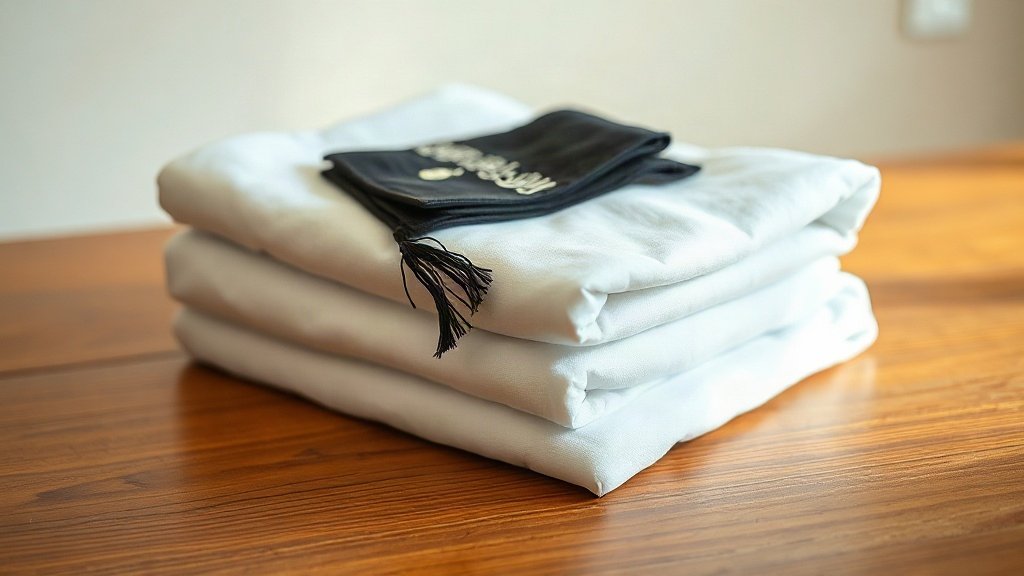
Illustration: AI-generated image
On any street in the Gulf, from Riyadh to Muscat, you are likely to see men wearing a crisp square of white or red-checked cloth held in place by a black cord. This is the ghutra (also called shemagh in some areas) and agal, a traditional head covering with deep cultural roots. For newcomers, understanding this element of national dress offers a window into local identity and practical desert wisdom.
What is the ghutra?
The ghutra is a square piece of fabric, usually cotton or a cotton blend, measuring about one metre by one metre. Most commonly it is plain white, but in many Gulf countries men also wear a red-and-white checkered version. The cloth is folded into a triangle and draped over the head, sometimes with the ends thrown back over the shoulders or wrapped around the face for protection from sun and sand. Historically, the ghutra served as essential protection in the desert, shielding the wearer from harsh sunlight and blowing dust. Today it remains a symbol of modesty and national pride, worn daily by many men and often required in formal or official settings.
The role of the agal
The agal is the black cord, traditionally made of goat or camel wool, that sits on top of the ghutra to keep it in place. It is formed into a double loop and placed over the crown of the head. The agal itself has practical roots: when a man needed to move quickly, he could pull the ghutra up over his face, and the agal would hold it there like a headband. Today the agal is mostly decorative, but it also keeps the cloth neatly arranged. Some men prefer a lightweight or coloured agal for different occasions, though black remains the standard.
Regional variations
While the basic combination is shared across the Arabian Peninsula, small differences exist. In Saudi Arabia and Qatar, the white ghutra is most common, often worn with a plain white thobe. In the United Arab Emirates and Oman, the checkered red-and-white pattern (known locally as shemagh) is also widely seen. Kuwaiti men often favour a crisply starched white ghutra, while in Bahrain you may see a variety of styles. These differences are subtle and often passed down through families, but they are not rigid rules. The key point is that the ghutra and agal are worn with pride as part of national dress.
Caring for a ghutra
If you own a ghutra, proper care keeps it looking sharp. Most ghutras are machine washable in cold water on a gentle cycle, but check the label. To maintain the crisp fold, many men have their ghutras starched and pressed at a laundry, but you can also iron it yourself with a little spray starch. Fold it neatly after ironing and store it flat or hung over a hanger to avoid creases. The agal is less fragile but should be kept in a cool, dry place to prevent the wool from becoming brittle. With good care, a quality ghutra can last for years.
Wearing one respectfully
As a visitor or expatriate, you may be invited to wear a ghutra and agal for a special occasion, such as a national day celebration or a traditional wedding. Accepting with appreciation is generally seen as a compliment. If you are unsure how to fold it, ask a local friend or search for a simple video tutorial; the basic fold is easy to learn. When wearing it, treat the cloth with respect: do not let it drag on the ground, and avoid using it as a napkin or for any non-head purpose. Remember that for many locals, this is not a costume but an everyday part of their identity, so wearing it with genuine interest is welcome.
The ghutra and agal are far more than a fashion statement. They carry centuries of practical desert knowledge and strong cultural meaning. Taking time to understand them enriches your experience of the Gulf and shows respect for the people who call it home.