Empty Quarter: A Practical Guide to the World's Largest Sand Desert
The Rub' al Khali, or Empty Quarter, is the largest continuous sand desert on Earth. Here's how to visit this vast, beautiful landscape safely and respectfully.
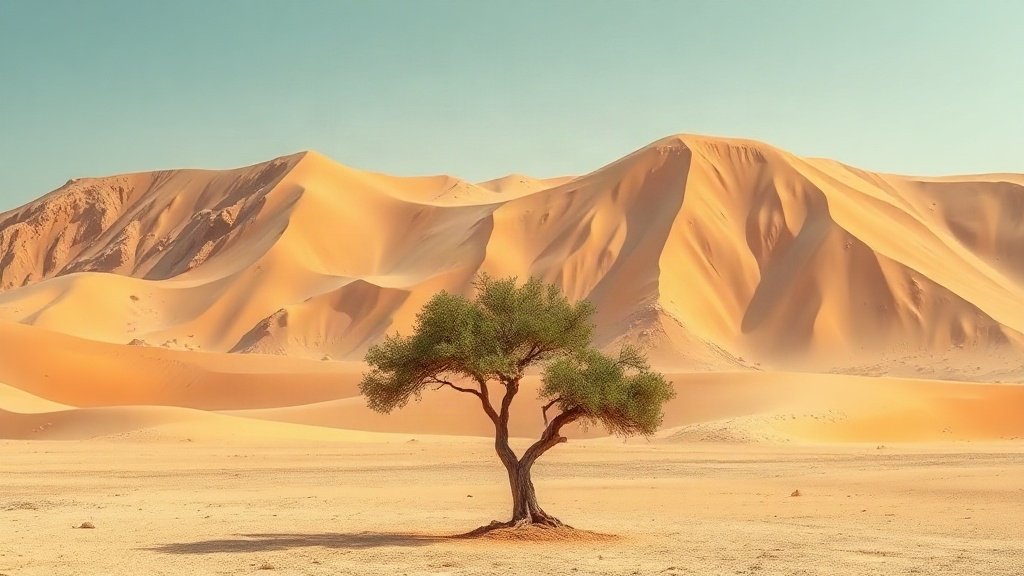
Illustration: AI-generated image
The Empty Quarter, known in Arabic as the Rub' al Khali, is the largest continuous sand desert in the world. Spanning parts of Saudi Arabia, the United Arab Emirates, Oman and Yemen, it covers an area roughly the size of France. For travellers seeking solitude, dramatic landscapes and a true sense of wilderness, few places on Earth compare.
Where to access the Empty Quarter
Most visitors approach the Empty Quarter from the UAE or Saudi Arabia. In the UAE, the oasis town of Liwa on the desert's northern edge serves as a natural gateway. From Liwa, a paved road leads to the Moreeb Dune, one of the tallest sand dunes in the world, and beyond it the dunes stretch unbroken for hundreds of kilometres.
In Saudi Arabia, the Empty Quarter extends over a huge area in the south-east of the country. The town of Shaybah, home to a major oil facility, lies deep inside the desert and can be reached by a long, well-maintained road. From there, organised excursions head into the surrounding dunes. Other access points include the city of Najran in the south-west and the region around Wadi al-Dawasir, though these require more planning and local knowledge.
What to expect
The Empty Quarter is a landscape of immense, rolling sand dunes that shift with the wind. Some dunes rise over 300 metres high, and the sand ranges in colour from pale gold to deep orange and red. Vegetation is sparse, limited to hardy shrubs and occasional acacia trees in the rare places where groundwater is near the surface.
Despite the harsh conditions, wildlife exists here. Arabian oryx and sand gazelles have been reintroduced in some protected areas, and small desert creatures such as lizards, geckos and insects are active at night. The silence of the Empty Quarter is profound, broken only by the whisper of wind over sand. At night, with no light pollution, the sky is ablaze with stars, making it one of the best places on the planet for stargazing.
Practical tips for visiting
- Best time to visit: The cooler months from November to March are ideal. Summer temperatures regularly exceed 50°C and are dangerous for outdoor activity.
- How to travel: A 4x4 vehicle is essential for any off-road driving. Deep sand requires experience, and it is strongly recommended to travel in a convoy with at least two vehicles and to carry recovery equipment. For those without desert driving experience, guided tours are available from Liwa and several Saudi cities.
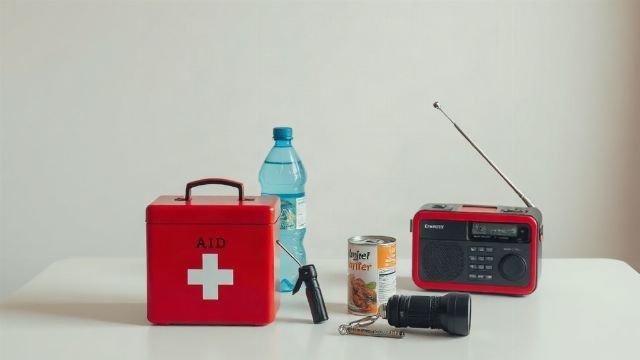
- Safety first: Always inform someone of your route and expected return time. Carry plenty of water (at least four litres per person per day), food, a first-aid kit and a fully charged phone with a portable charger. Mobile signal is unreliable; a satellite phone or GPS messenger is wise for remote areas.
- What to bring: Loose, light clothing that covers arms and legs protects from sun and sand. A hat, sunglasses, sunscreen and a scarf or shemagh for your face are essential. Sturdy shoes are needed for walking on hot sand.
- Respect the environment: Take all rubbish with you, avoid disturbing wildlife and plants, and stick to existing tracks where possible to minimise impact on the fragile desert surface.
A visit to the Empty Quarter is not a casual day trip, but for those who prepare properly, it offers an unforgettable encounter with one of the world's last great wildernesses.