Al Ain Oasis: A Practical Guide to the UAE's Ancient Date Palm Haven
Step into a tranquil world of shaded walkways and ancient irrigation channels at this UNESCO-listed oasis in Abu Dhabi.
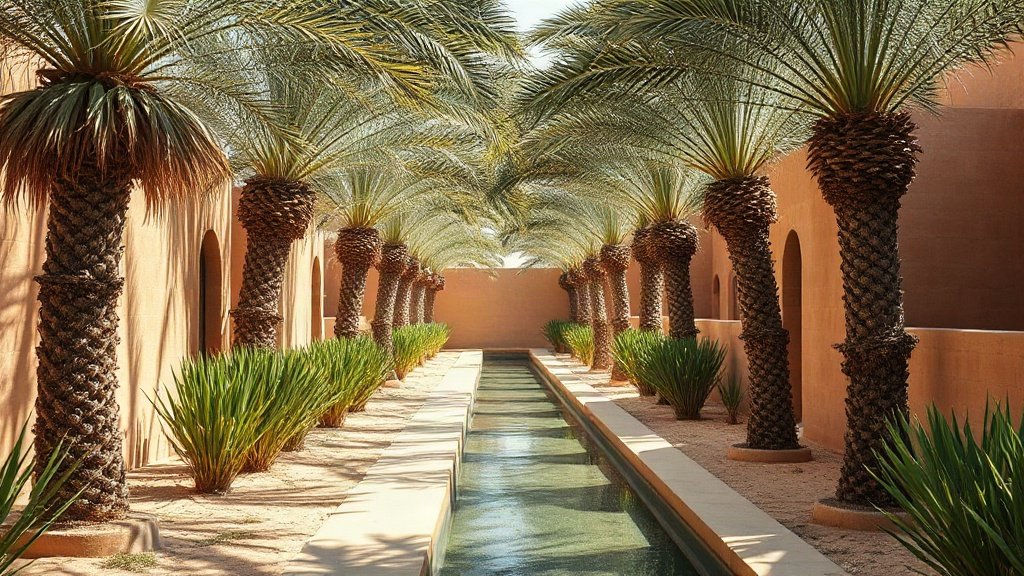
Illustration: AI-generated image
Al Ain Oasis offers a rare chance to step back in time and experience the traditional agricultural heart of the United Arab Emirates. Spread across 1,200 hectares in the centre of Al Ain, this UNESCO World Heritage site is a living testament to the region's ingenuity and connection to the land. With over 147,000 date palms and a network of ancient irrigation channels, it provides a cool, green contrast to the surrounding desert.
What makes Al Ain Oasis special
The oasis is fed by a falaj system, a traditional method of channelling groundwater through a series of tunnels and open channels. This ingenious engineering, which dates back thousands of years, allowed communities to thrive in an arid environment. As you wander along the shaded pathways, you will see water flowing through these channels, nourishing the palms and other crops such as mangoes, bananas, and figs.
Unlike many modern attractions, the oasis remains a working farm. Local families still tend their plots, and you may see farmers harvesting dates or tending to their trees. This living heritage gives the site an authentic, unhurried atmosphere.
Exploring the oasis
The oasis is best explored on foot. A network of well-maintained walking paths winds through the palm groves, with benches and shaded rest areas along the way. Signage explains the history of the falaj system and the importance of date palms in Emirati culture. For a more immersive experience, you can hire a bicycle from nearby outlets and cycle along the perimeter paths.
One of the highlights is the Eco-Centre, a small interpretive centre that offers interactive displays about the oasis's ecosystem and traditional farming practices. It is an excellent starting point to orient yourself before venturing into the groves.
If you have time, combine your visit with nearby attractions such as Al Ain National Museum or the historic Al Jahili Fort, both within easy reach.
Practical tips for visitors
The best time to visit is during the cooler months from October to April, when daytime temperatures are pleasant. Early morning or late afternoon offers the most comfortable conditions and beautiful light for photography. The oasis is open to the public year-round, and admission is free.
Wear comfortable walking shoes and light, modest clothing. Although the palm trees provide shade, the sun can still be intense, so bring a hat, sunscreen, and plenty of water. There are small cafés and restrooms near the main entrances.
To reach the oasis from Abu Dhabi, take the E22 highway towards Al Ain, a drive of about 90 minutes. From Dubai, the journey is approximately two hours via the E66. Parking is available near the main entrance on Sultan Bin Zayed Street.