A Guide to Gulf Honey: Sidr, Sumr and Sweet Traditions
From dark sidr honey drizzled over fresh bread to a spoonful stirred into Arabic coffee, honey is woven into Gulf food culture. Discover the main varieties and how locals enjoy them.
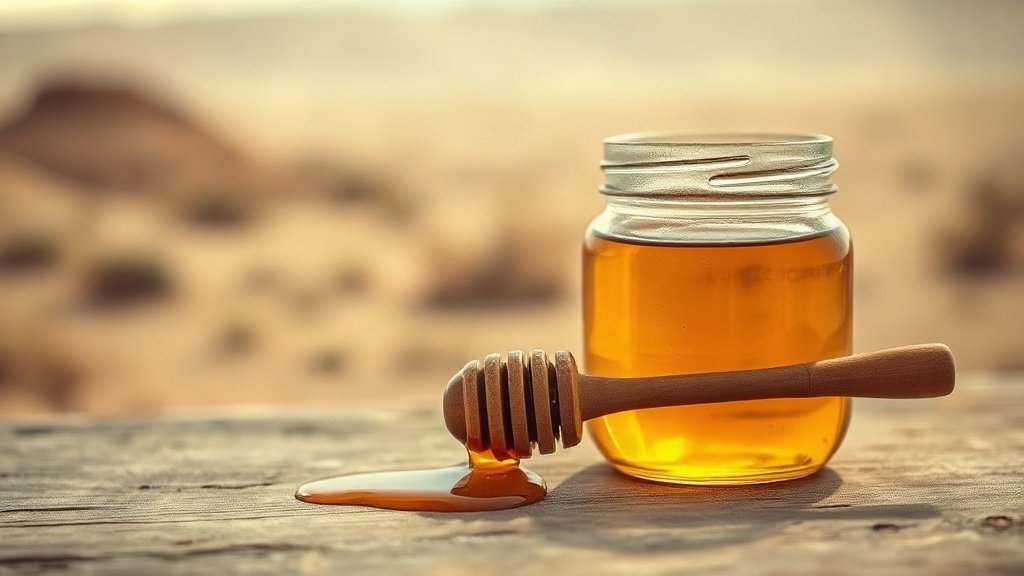
Illustration: AI-generated image
Honey has been part of Gulf kitchens for centuries, valued not only for its sweetness but also for its place in hospitality and traditional recipes. Long before refined sugar became common, honey was the region's main sweetener, and it remains a beloved ingredient in homes and restaurants today.
Main Varieties of Gulf Honey
The Gulf is home to several distinctive honeys, each named after the tree or flower the bees feed on. The most prized is sidr honey, produced from the nectar of the sidr tree (Ziziphus spina-christi), which grows in the region's wadis and valleys. Sidr honey is thick, dark amber and has a rich, almost spicy flavour with a slightly bitter aftertaste. It is often the most expensive and is traditionally given as a special gift.
Sumr honey comes from the acacia tortilis tree and is lighter in colour, with a mild, floral taste. It is popular for everyday use. Other varieties include talh honey from acacia seyal, which has a delicate sweetness, and wildflower honey gathered from desert blooms after winter rains. Each region of the Gulf has its own favourites, and many families buy directly from beekeepers at seasonal markets.
Traditional Ways to Enjoy Honey
In the Gulf, honey is eaten at almost any time of day. At breakfast, it is drizzled over fresh khubz (flatbread) or regag (thin crispy bread), often with a pat of soft cheese or a spoonful of thick cream. A simple but beloved combination is honey with balaleet, the sweet-savoury noodle dish, though it is also stirred into porridge-like dishes such as harees or jareesh.
Perhaps the most iconic use is with Arabic coffee, or gahwa. A small dish of honey is sometimes served alongside the coffee pot, and guests may take a spoonful before sipping the bitter, cardamom-scented brew – the sweetness balances the coffee's intensity. Honey is also essential in many desserts, from luqaimat (golden fried dumplings) to aseeda (a soft wheat pudding), where it is poured generously over the top.
Buying and Storing Honey
If you are in the Gulf, the best way to buy honey is from a local souq or a specialist honey shop. Many vendors offer tastings, and you can ask about the source and harvest season. Look for honey that is clear, without foam or crystallisation, though some natural crystallisation is normal for certain varieties. Store honey in a tightly sealed glass jar at room temperature, away from direct sunlight. It does not need refrigeration and can last for years if kept dry.
Whether you are new to the region or a long-time resident, exploring Gulf honey is a delicious way to connect with local food traditions. A jar of sidr honey makes a wonderful souvenir or gift, carrying with it the taste of the desert landscape.